Introduction
A carotid Doppler is a simple, safe test that checks blood flow in the neck arteries. These arteries, called carotid arteries, carry blood to your brain. Because healthy blood flow is vital, this test helps find problems early. Many doctors use the carotid Doppler to prevent strokes. In this blog, you will learn what a carotid Doppler is, how it works, and why it matters for your health.
What is a Carotid Doppler?
A carotid Doppler is a type of ultrasound scan. It uses sound waves to create pictures of the carotid arteries in your neck. These arteries supply blood to your brain. The test shows how well blood moves through them. Sometimes, doctors call it a “carotid Doppler ultrasound” or “ultrasound of carotid arteries.” This test is painless and does not use radiation.
Why is a Carotid Doppler Performed?
Doctors order a carotid Doppler for several reasons. Often, they want to check for blockages or narrowing in the arteries. These problems can lead to strokes. Early detection helps prevent serious health issues. Common reasons for this test include:Checking for risk of strokeFinding narrowed or blocked arteriesMonitoring known artery diseaseEvaluating symptoms like dizziness or sudden weaknessFollowing up after surgery or treatment
If you have risk factors like high blood pressure, diabetes, or smoking, your doctor may suggest this test.
How is the Procedure Done?
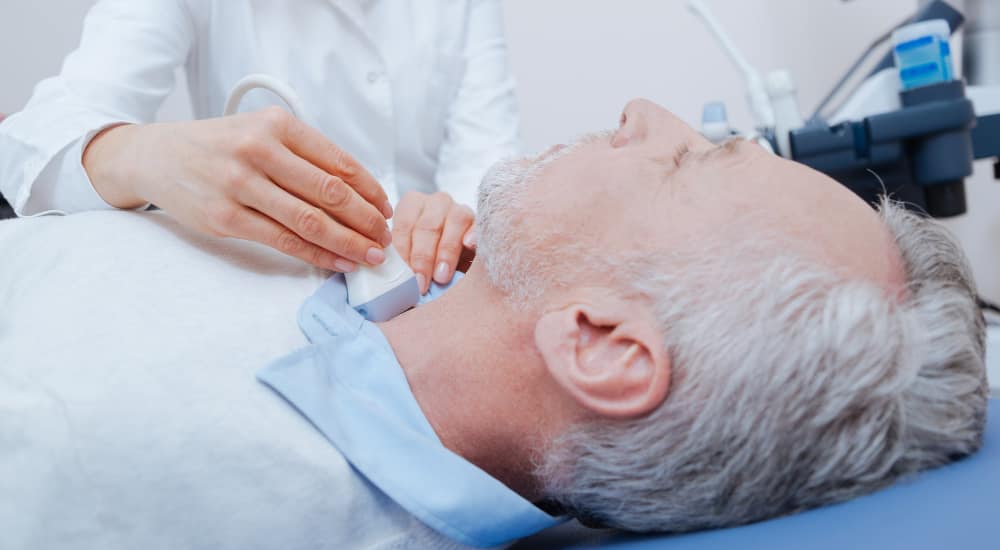
The carotid Doppler procedure is quick and easy. First, you will lie down on an exam table. Next, a technician will apply a small amount of gel to your neck. This gel helps the sound waves travel better. Then, the technician moves a small device, called a transducer, over your skin. The device sends sound waves into your neck. These waves bounce back and create images on a screen. The whole test usually takes about 30 minutes.
What to Expect During and After the Test
During the carotid Doppler test, you may feel slight pressure from the transducer. However, the test does not hurt. You will need to stay still and turn your head as asked. After the test, the gel is wiped off. You can return to your normal activities right away. There is no recovery time needed. Your doctor will review the results and explain what they mean.
Benefits and Risks
Carotid Doppler scans offer many benefits. For example, they help detect artery problems before symptoms appear. Early treatment can prevent strokes. The test is safe, painless, and does not use harmful radiation. However, like any test, there are small risks. Rarely, the test may not show all blockages. Sometimes, further tests are needed. Overall, the benefits far outweigh the risks.
How to Prepare for a Carotid Doppler
Preparing for a carotid Doppler is simple. In most cases, you do not need to fast or avoid medicines. However, you should:Wear a loose, comfortable shirt with an open collarAvoid wearing necklaces or turtlenecksArrive a few minutes early to relax
If your doctor has special instructions, follow them closely. Otherwise, you can eat and drink as usual before the test.
Frequently Asked Questions
Is the carotid Doppler test safe?Yes, it is very safe and does not use radiation.How long does the test take?Most tests take about 30 minutes.Will I feel any pain?No, the test is painless. You may feel gentle pressure.When will I get my results?Your doctor will usually share results within a few days.Where can I get a carotid Doppler test near me?Many hospitals and radiology centers offer this test. Ask your doctor for a referral.
Conclusion and Call-to-Action
In summary, a carotid Doppler is a safe and helpful test. It checks blood flow in your neck arteries and helps prevent strokes. If your doctor suggests this test, do not worry. The procedure is quick, painless, and important for your health. For more details or to schedule a carotid Doppler, consult a radiologist at Synergy imaging surat today.