What is a Biopsy?
A biopsy is a medical test where a small sample of tissue or cells is taken from your body. Doctors use this sample to check for diseases, such as cancer or infections. Often, a biopsy helps find out if a lump or abnormal area is harmless or needs treatment. Because a biopsy gives clear answers, it is an important step in many diagnoses.
Why is a Biopsy Performed?
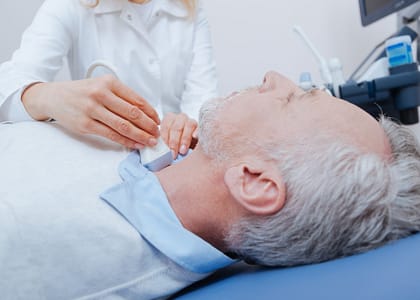
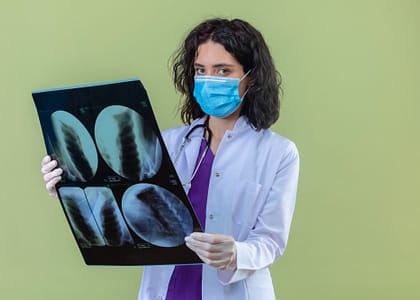
Doctors may suggest a biopsy for several reasons. For example, if you have a lump, sore, or unusual area, a biopsy can help find out what it is. Sometimes, imaging tests like X-rays or scans show something unusual. In these cases, a biopsy can confirm if it is cancer, an infection, or another condition. In addition, a biopsy can help plan the best treatment for you.
Types of Biopsies
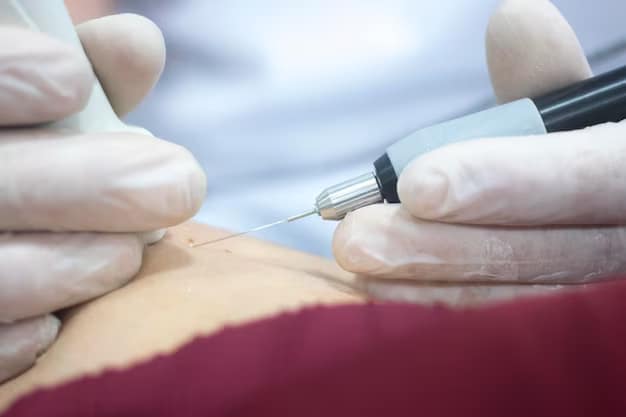
There are different types of biopsy, depending on where the sample is taken and how it is collected. Some common types include:Needle biopsy: A thin needle removes a small amount of tissue. This is often used for lumps under the skin.Punch biopsy: A special tool takes a small, round piece of skin.Excisional biopsy: The whole lump or area is removed for testing.Incisional biopsy: Only a part of the lump or area is removed.Endoscopic biopsy: A thin tube with a camera helps doctors take tissue from inside the body, such as the stomach or lungs.
Each type of biopsy has its own purpose. Your doctor will choose the best one for your situation.
How is a Biopsy Done? (Procedure)
The biopsy procedure depends on the type and location. Usually, the area is cleaned and numbed with medicine. For some biopsies, you may get local anesthesia, which means you stay awake but do not feel pain in the area. In other cases, you might need general anesthesia, which puts you to sleep. The doctor then uses a needle, scalpel, or special tool to take the sample. Afterward, the area is covered with a bandage. Most biopsies take less than an hour.
What to Expect Before, During, and After a Biopsy
Before the Biopsy
Before your biopsy, your doctor will explain the procedure. You may need to stop certain medicines, such as blood thinners. Sometimes, you may need to avoid eating or drinking for a few hours.
During the Biopsy
During the biopsy, you may feel some pressure or a quick pinch. However, most people do not feel much pain. The doctor will talk to you throughout the procedure to keep you comfortable.
After the Biopsy
After the biopsy, you can usually go home the same day. You may have mild soreness or bruising. In most cases, you can return to normal activities within a day or two. However, follow your doctor’s instructions for care.
Risks and Side Effects of Biopsy
Like any medical test, a biopsy has some risks. But serious problems are rare. Possible risks include:Bleeding at the biopsy siteInfectionPain or swellingBruising
Usually, these side effects are mild and go away quickly. If you notice heavy bleeding, fever, or severe pain, contact your doctor right away. According to the CDC, most biopsies are safe and well-tolerated.
Understanding Biopsy Results
After the biopsy, your sample goes to a lab. A specialist, called a pathologist, looks at it under a microscope. The results can show if the tissue is normal, cancerous, or has another problem. Sometimes, you may get results in a few days. Other times, it may take a week or more. Your doctor will explain what the results mean and what happens next.
Tips for Recovery and Aftercare
To help your recovery after a biopsy, follow these tips:Keep the biopsy area clean and dryFollow your doctor’s care instructionsRest if you feel tiredAvoid heavy lifting or hard exercise for a day or twoWatch for signs of infection, such as redness or pus
If you have any concerns, call your healthcare provider.
Frequently Asked Questions about Biopsy
Is a biopsy painful? Most people feel only mild discomfort. Local anesthesia helps prevent pain.How long does a biopsy take? Most procedures take less than an hour.When will I get my biopsy results? Results usually come in a few days to a week.Are there long-term risks? Serious risks are rare. Most people recover quickly.Why is a biopsy done? A biopsy helps diagnose diseases and plan treatment.
In summary, a biopsy is a safe and useful test that helps doctors find answers about your health. If you have questions or concerns, consult a healthcare professional at SYNERGY IMAGING for personalized advice about biopsies.