Introduction
Computed Tomography Coronary Angiography (CTCA) is a non-invasive heart imaging test. It helps doctors see the blood vessels that supply your heart. Because it is quick and safe, many people choose CT coronary angiography for early detection of heart problems. Early diagnosis can help prevent serious heart issues. According to the World Health Organization (WHO), heart disease is a leading cause of death worldwide. Therefore, knowing about this test is important for your heart health.
What is Computed Tomography Coronary Angiography?
CT coronary angiography, also called CTCA, uses a special X-ray machine. This machine takes detailed pictures of your heart and its blood vessels. Unlike traditional angiography, CTCA does not require a tube in your artery. Instead, it uses a CT scanner and a dye injected into your vein. As a result, doctors can see blockages or narrow spots in your heart’s arteries. This test is often used to diagnose coronary artery disease.
Symptoms or Reasons for Needing This Test
Doctors may suggest a CTCA test if you have symptoms of heart problems. Some common reasons include:Chest pain or discomfortShortness of breathUnexplained fatigueFamily history of heart diseaseAbnormal results from other heart tests
Sometimes, your doctor may use this test to check your heart before surgery. In addition, it can help rule out coronary artery disease in people with low or moderate risk.
How the Procedure Works: Step-by-Step Overview
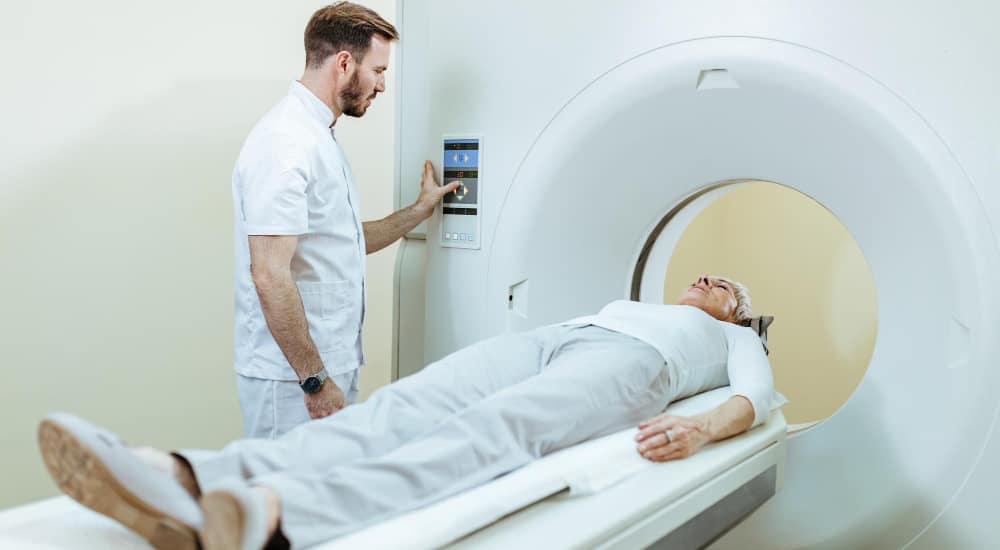
Understanding the CTCA procedure can help you feel more comfortable. Here is a simple step-by-step guide:First, you will change into a hospital gown.Next, a nurse will place an IV line in your arm for the dye.Then, you will lie on a table that slides into the CT scanner.The nurse will inject a special dye to make your arteries visible.After that, you may be asked to hold your breath for a few seconds.The scanner takes detailed pictures of your heart and arteries.Finally, the test usually takes about 15 to 30 minutes.
Most people can go home soon after the test. However, you should follow your doctor’s advice about activity and eating.
Preparation and What to Expect
Proper preparation can make your CTCA test smoother. Here are some tips:Do not eat or drink for a few hours before the test.Tell your doctor about any allergies, especially to iodine or contrast dye.Inform your doctor if you take diabetes or heart medications.Wear comfortable clothing and leave jewelry at home.
During the test, you may feel a warm sensation when the dye is injected. This is normal and goes away quickly. If you feel any discomfort, let the staff know right away. After the test, you can usually return to your normal activities.
Benefits and Risks
CT coronary angiography offers many benefits. For example, it is non-invasive and does not require a hospital stay. It gives clear images of your heart’s arteries. This helps doctors find problems early. However, like any test, there are some risks:Exposure to a small amount of radiationPossible allergic reaction to the dyeRare chance of kidney problems from the dye
Most people have no serious side effects. Still, it is important to discuss any concerns with your doctor before the test.
How Results Are Interpreted
After the CTCA test, a radiologist reviews your images. The radiologist looks for any blockages or narrow areas in your heart’s arteries. Then, your doctor will explain the results to you. If the test shows problems, your doctor may suggest more tests or treatments. On the other hand, if your arteries look normal, you may not need further testing. Always ask your doctor to explain your results in simple terms.
Prevention and Lifestyle Guidance
Even if your CTCA test is normal, healthy habits are important. You can lower your risk of heart disease by:Eating a balanced diet rich in fruits and vegetablesExercising regularly, such as walking or cyclingNot smoking or using tobacco productsManaging stress with relaxation techniquesKeeping your blood pressure and cholesterol under control
Because prevention is better than cure, talk to your doctor about the best lifestyle choices for you.
Frequently Asked Questions
Is CTCA painful? No, the test is usually painless. You may feel a brief warm sensation from the dye.How long does the CTCA test take? The test usually takes 15 to 30 minutes.Can I drive home after the test? Yes, most people can drive home unless your doctor advises otherwise.Is CTCA safe for everyone? Most people can have this test. However, pregnant women and people with severe kidney problems should avoid it.Will I need more tests after CTCA? Sometimes, if the test shows a problem, your doctor may suggest more tests or treatments.
Conclusion
CT coronary angiography is a safe and effective way to check your heart’s arteries. It helps doctors find heart problems early, often before symptoms become serious. If you have questions or concerns about your heart health, consult a radiologist or healthcare provider at SYNERGY IMAGING for personalized advice.