What is DIGITAL 1.5T MRI?
DIGITAL 1.5T MRI is a modern imaging test. It uses strong magnets and digital technology to create clear pictures of the inside of your body. Many doctors recommend this MRI scan to help diagnose health problems. The “1.5T” stands for 1.5 Tesla, which is the strength of the magnet. This level is common in hospitals and clinics around the world. Because it is digital, the images are sharper and the process is often faster than older machines.
How Does DIGITAL 1.5T MRI Work?
First, the MRI machine uses a powerful magnet and radio waves. These work together to take detailed images of your organs and tissues. The “digital” part means the machine uses advanced software to process the images. As a result, doctors can see even small changes in your body. Unlike X-rays, MRI scans do not use radiation. This makes them safer for many people. In most cases, the scan is painless and non-invasive.
Benefits of DIGITAL 1.5T MRI
There are many reasons why doctors choose DIGITAL 1.5T MRI for radiology imaging. Some key benefits include:High-quality, clear images for better diagnosisFaster scan times compared to older MRI machinesNo exposure to harmful radiationComfortable and quiet experience for most patientsUseful for many body parts, including the brain, spine, and joints
Additionally, digital MRI scans often help doctors spot problems early. This can lead to better treatment and outcomes.
When is a DIGITAL 1.5T MRI Recommended?
Doctors may suggest a DIGITAL 1.5T MRI for many reasons. For example, you might need this scan if you have:Unexplained pain in your head, back, or jointsInjuries from sports or accidentsSymptoms of a stroke or brain disorderConcerns about tumors or cancerProblems with your heart or blood vessels
Sometimes, your doctor may also use a DIGITAL 1.5T MRI to check how well treatment is working. In many local hospitals, this scan is now widely available.
What to Expect During the Procedure
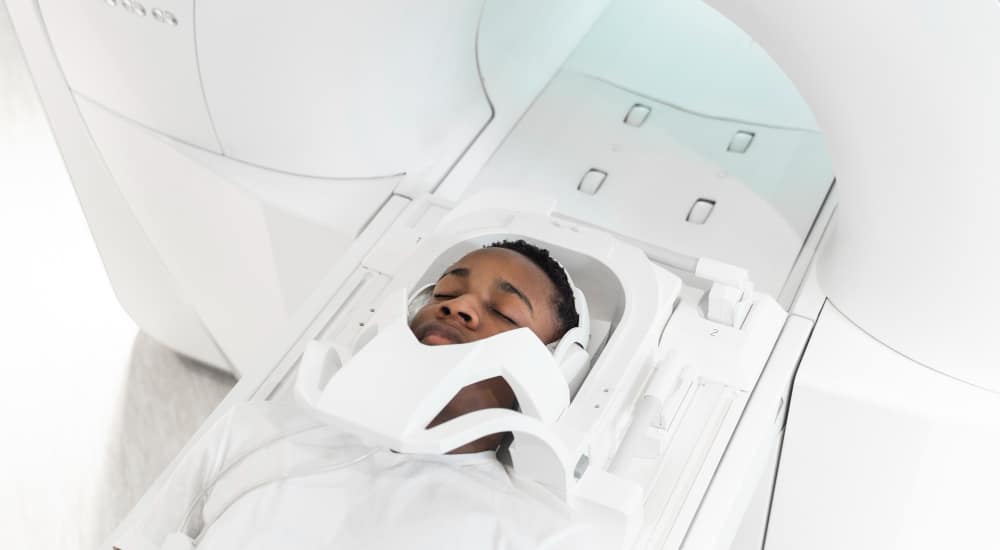
Before your MRI scan, you may need to change into a gown. You will also remove any metal objects, such as jewelry or watches. Next, you will lie down on a table that slides into the MRI machine. The scan usually takes 20 to 45 minutes. During this time, you must stay still so the images are clear. You may hear some loud tapping or thumping sounds. However, you can ask for earplugs or headphones to help block the noise. If you feel nervous, let the staff know. They can talk to you and help you feel comfortable.
Safety and Risks
For most people, a DIGITAL 1.5T MRI is very safe. Since it does not use radiation, there is no risk of exposure. However, there are a few things to keep in mind:If you have metal implants, pacemakers, or certain medical devices, tell your doctor before the scanSome people may feel anxious in the small space of the MRI machineRarely, you may need a contrast dye, which can cause mild side effects like nausea
According to the World Health Organization (WHO), MRI scans are safe for most patients. Always follow your doctor’s advice to reduce any risks.
Frequently Asked Questions
Is a DIGITAL 1.5T MRI painful? No, the scan does not hurt. You may feel a bit uncomfortable lying still, but there is no pain.How long does the MRI scan take? Most scans take between 20 and 45 minutes, depending on the area being checked.Can I eat or drink before the scan? In most cases, yes. However, your doctor will tell you if you need to avoid food or drink.Is the MRI scan safe for children? Yes, DIGITAL 1.5T MRI is safe for children. Doctors may use special steps to help kids stay calm.When will I get my results? Usually, a radiologist reviews your images and sends a report to your doctor within a few days.
Conclusion & Next Steps
In summary, DIGITAL 1.5T MRI is a safe and effective way to look inside your body. It offers clear images, quick results, and no radiation. If your doctor suggests this test, you can feel confident about the process. For more details or to see if a DIGITAL 1.5T MRI is right for you, consult a radiology specialist at SYNERGY IMAGING today.